
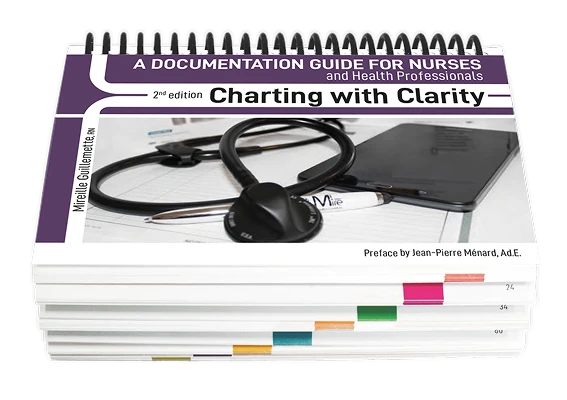
Visiting from Australia? Discover Charting with Clarity (Australian Edition)



Extract from Death, but not in my heart, Guiding the young in grief, by Josée Masson.
How to announce the death of a loved one to a child or teenager: make the announcement in a place where they can react (not in a room full of people). Say it to them everything in a simple and gentle way, going straight to the point. Check what he has understood and the emotions it brings him. Finally, Specify the true cause of death. (It will always be less terrible and less macabre than what he imagines). Even in the case of suicide or homicide, tell him and specify the method used (rope, knife, weapon, medication).
The intensity of grief does not depend on the type of death (traumatic or + tragic). However, there are certain types of grief such as a loss, a suicide, or multiple losses during a tragedy such as an accident that will complicate or probably prolong the grief. The way the person died is an important factor; it colors the questions, reactions, and new perceptions of life. It is therefore essential that this is not taboo and that the child knows about it.
With the illness and an obvious prognosis, death can be prepared for. When the news of a serious illness is announced, everything must be told to the young people: the name of the illness, what the illness is, keeping them informed about the progress. Agree with them on whether you will inform them of good or bad news. Living the illness together means talking to them about your emotions, reassuring them, finding time to be with them, giving them opportunities and the possibility to accompany the sick person and talk about death when the illness worsens. Living the illness and death together will help you to live the grief together.
Sudden death: Explain to him what happened in the body. Often repeat it to him and reassure him that it won’t happen to them. There is a lot of «if» and guilt. Often we look for the guilty ones. The young person often identifies as the guilty one.
Suicide: Reassure him that the person has chosen to die; that it is difficult to understand; that it is never their fault; that it is never acceptable and should not be an option; that he is in no way responsible. «Suicide stems from an intention, sometimes following depression or a mental disorder; it should be clearly stated that not all depressed people commit suicide.» The young child has the magical thought that healing or death can be caused by a thought. Especially between the ages of 4 and 7, he tends to believe that everything revolves around him. He believes he has the power simply by thinking of causing events. Reiterate the concept of death (see September 2017 newsletter).
Mireille Guillemette, B.Ed., editor and president of Mire Formation Conseil inc.
–
Resources and publications
Youth grief: http://www.deuil-jeunesse.com/accueil
http://www.coupdepouce.com/mamans/6-12-ans/article/comment-parler-de-la-mort-avec-son-enfant
An excellent text by Josée Masson: https://rubanrose.org/renseignements-pratiques/diagnostic-enfants
Book: Death, but not in my heart, Josée Masson, Logiques publishing house, 2010.
To order: adpcommandes@messageries-adp.com or in electronic version on archambault.ca .
Video: How to talk about death with children https://www.youtube.com/watch?v=TCs2b_ZdKBs



 French French
 English (Canada)
 English (Australia)