
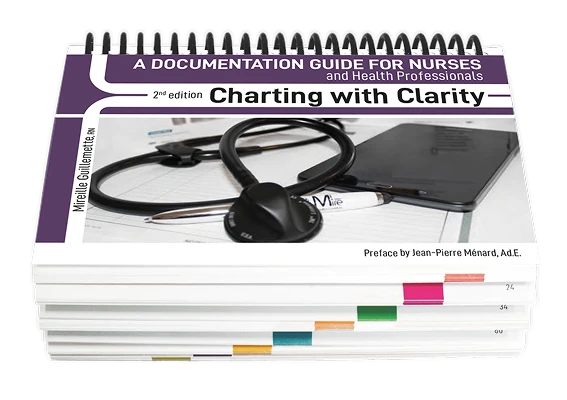
Visiting from Australia? Discover Charting with Clarity (Australian Edition)



My first bereavement, I experienced at the age of 3. Dramatic deaths that occurred during a fire. I still remember certain images, the coffins and the tombstones. Then I experienced a significant bereavement at the age of 13.
I never asked anyone any questions, but I was experiencing a storm of very changing emotions. I never showed that this death affected me. If I was so different from others that I didn’t talk about it, then I was surrounded by a very united family? Well, no, the pre-teen will not usually talk about this distress or the fears he has about death. And the child will not explain to the parent the grief he is experiencing.
There are more than 269,000 deaths per year in Canada. In Quebec, there are more than 180 deaths per day. Of these deaths in the province of Quebec, 9 people are under the age of 49, including 2 children under 10 years of age.
If you know a young person who is grieving or has been through a bereavement, it is also your duty to contribute to the support. The original African proverb says: «It takes a whole village to raise a child.» Regarding bereavement, in our North American culture, we could apply the following principle: it takes a family, a community, and a society to support a young person who is grieving and to break the taboo surrounding death.
The child’s age is important; our language must of course be adapted, but these 5 concepts must be explained.
Grief teaches us that death exists, that it is part of life, and that it can happen at any moment. It is a harsh reality that leaves an invisible mark. The life of the child or adult who lives the death of a loved one will no longer be the same as before. However, life can continue to be beautiful.
–
Mireille Guillemette, B.Ed., editor and president of Mire Formation Conseil inc.
–
Resources and publications
Youth grief: http://www.deuil-jeunesse.com/accueil
http://www.coupdepouce.com/mamans/6-12-ans/article/comment-parler-de-la-mort-avec-son-enfant
An excellent text by Josée Masson: https://rubanrose.org/renseignements-pratiques/diagnostic-enfants
Book: Death, but not in my heart, Josée Masson, Logiques publishing house, 2010.
To order: adpcommandes@messageries-adp.com or in electronic version on archambault.ca .
Video: How to talk about death with children https://www.youtube.com/watch?v=TCs2b_ZdKBs



 French French
 English (Canada)
 English (Australia)